Little Sprouts, Part 2: A Bigger Garden
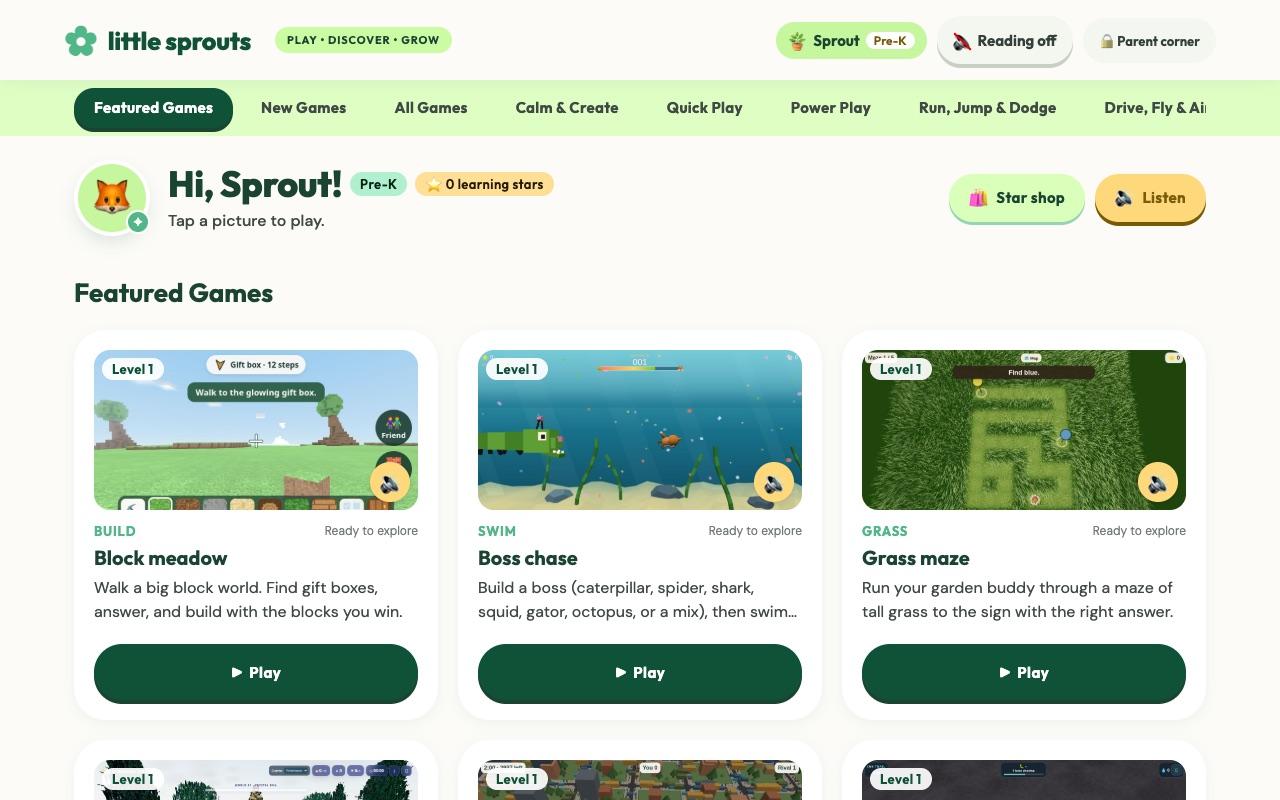
Two months after launch, Little Sprouts has 66 games, a star shop, friend rooms, offline play, and a Fire tablet app. The rule has not changed: every game still asks the learner's own question.
Write-ups from the work: architecture, failures, and what I would repeat.

Two months after launch, Little Sprouts has 66 games, a star shop, friend rooms, offline play, and a Fire tablet app. The rule has not changed: every game still asks the learner's own question.

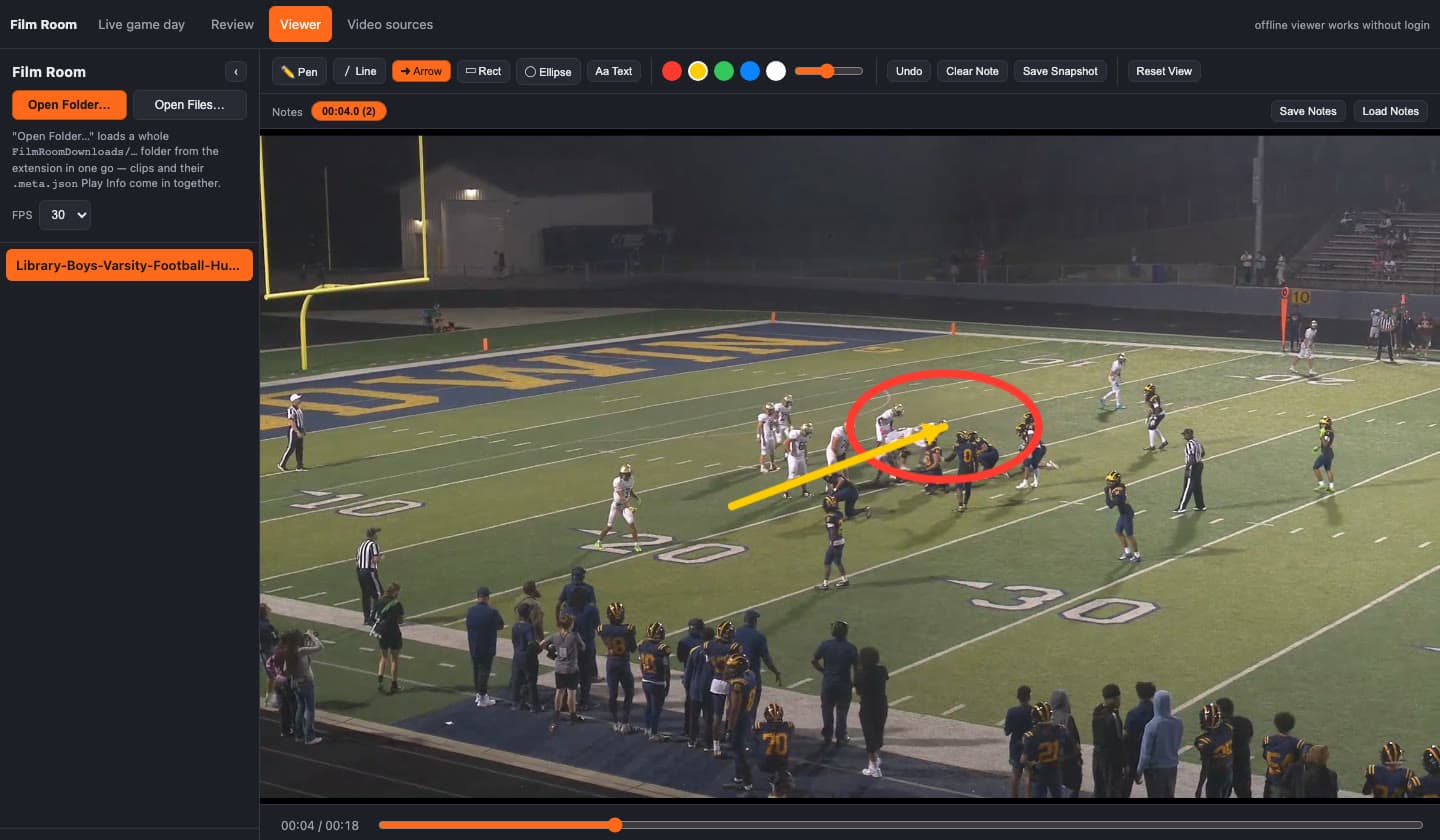
I built Film Room so a cutup, the telestration, and the notes still work on a bus, a sideline, or a locker-room wifi that keeps dropping — and so a Hudl playlist does not have to wait on an email before it can be reviewed.

A long November ballot is a stack of names and millage rates. I built a practice page that keeps one precinct’s contests on a single sheet and turns the tax questions into dollars.

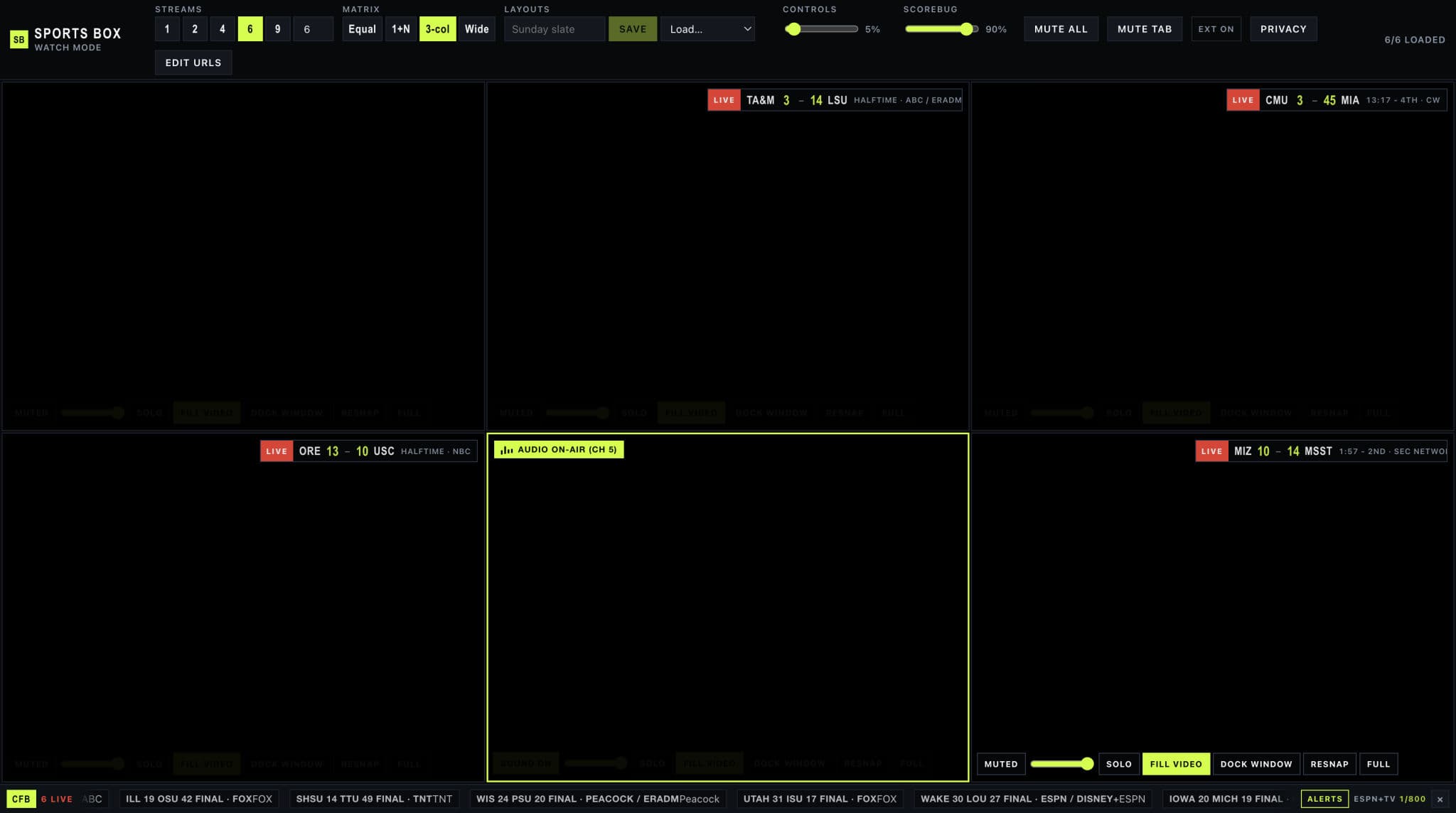
I built Video Grid so a full slate fits in one Chrome window: multiple streams, one audible channel, scores on the panel that is showing that game, and a phone keypad on the same Wi-Fi.

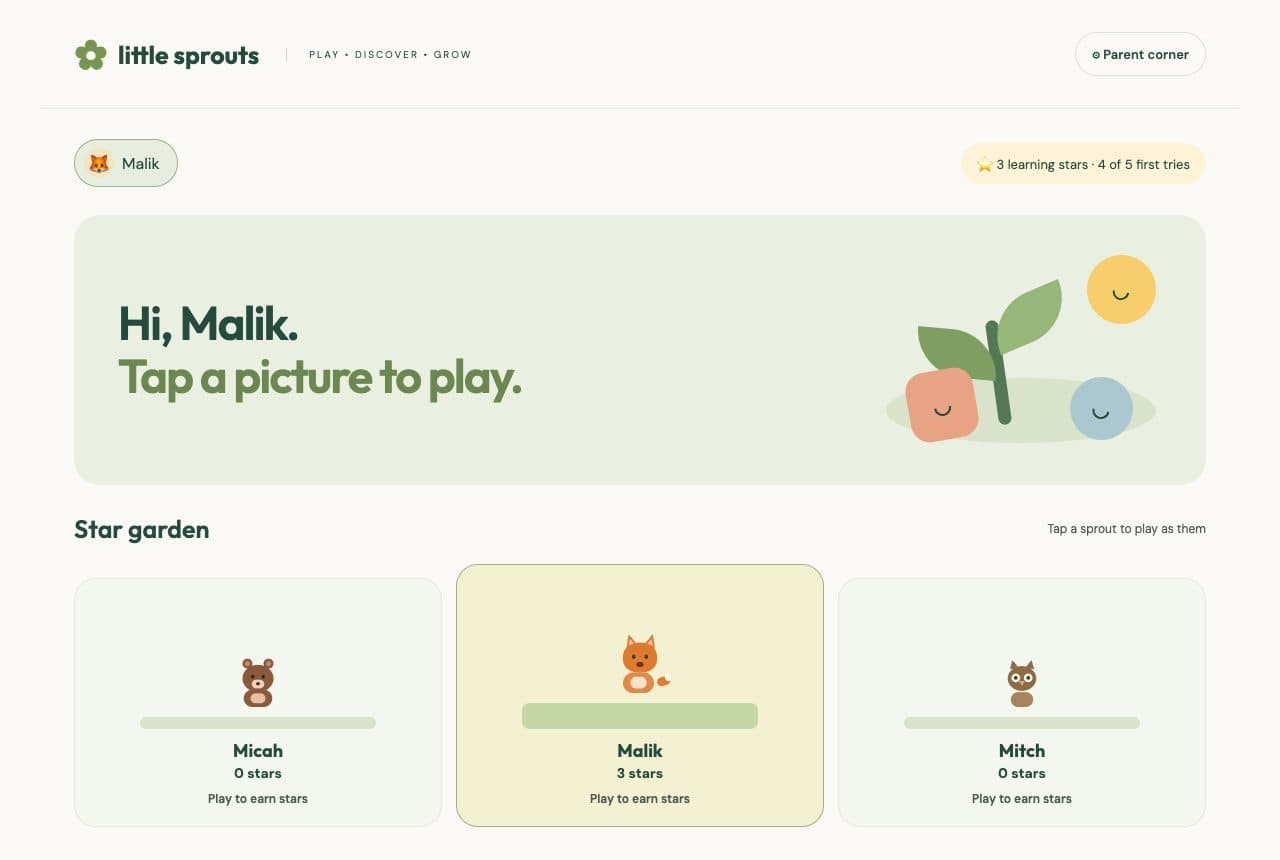
I built Little Sprouts so a child can tap a picture, hear the question, and answer. Three learners, four ways to play, and a grown-up corner for levels and sight words.

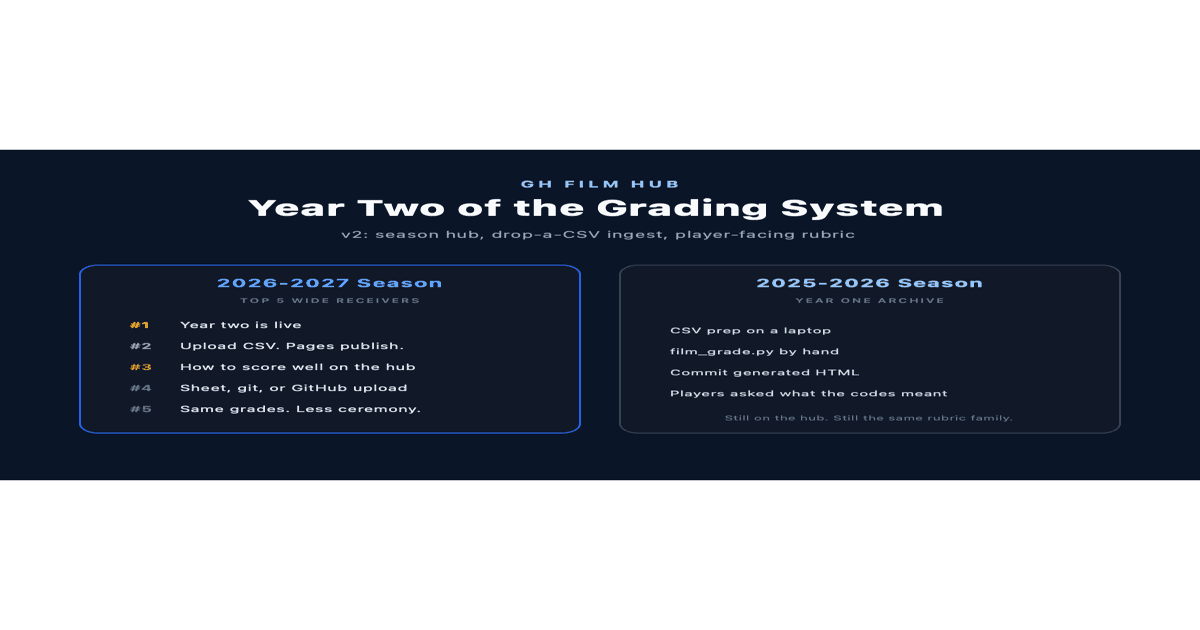
The grading math still holds. Year two is about the hub: two seasons on one landing page, a player-facing rubric, and a week file that grades and publishes itself.

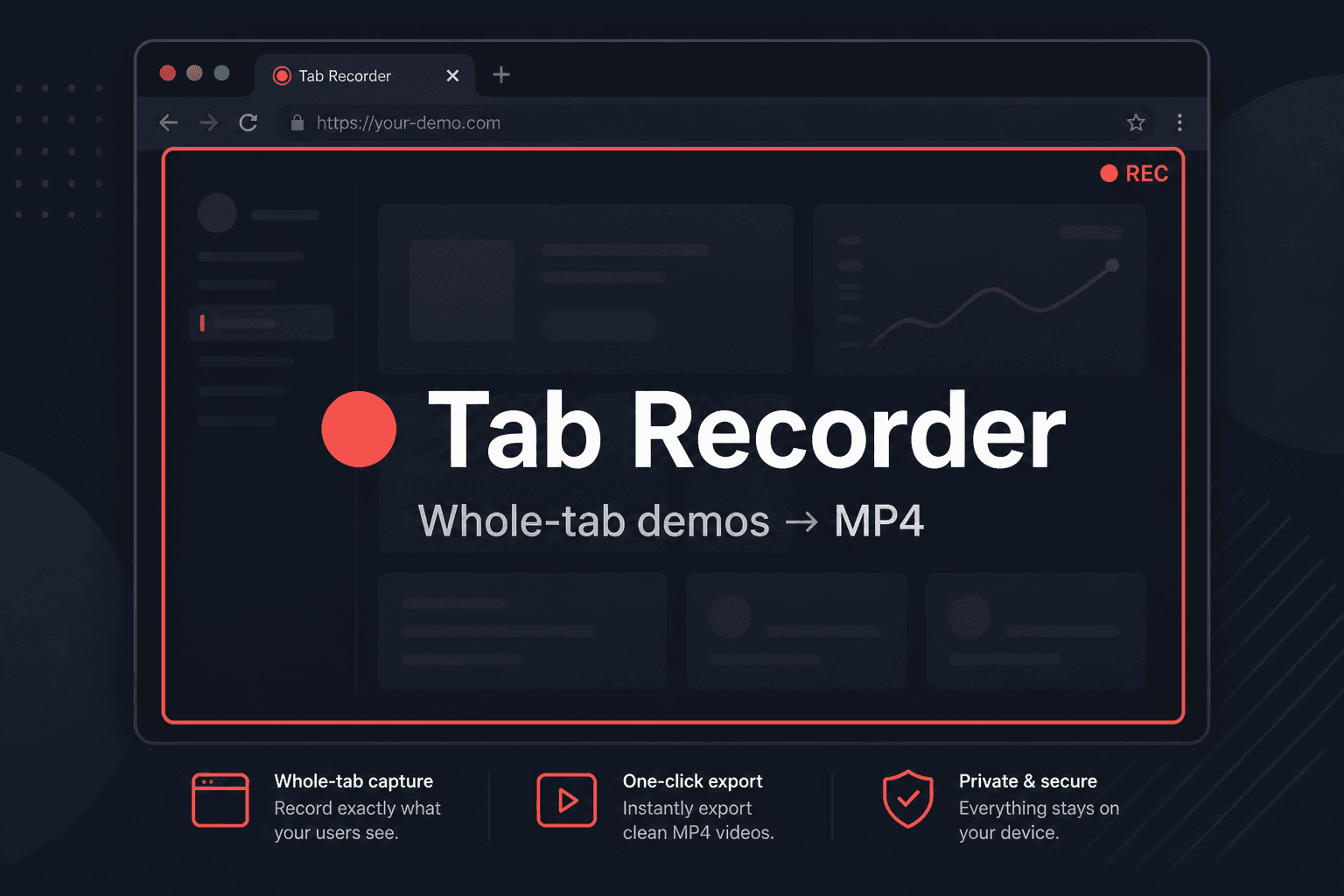
I built a Chrome extension that records the whole browser tab, muxes H.264 MP4 in the browser, and downloads a file I can send to clients or other devs — no OBS, no conversion step.

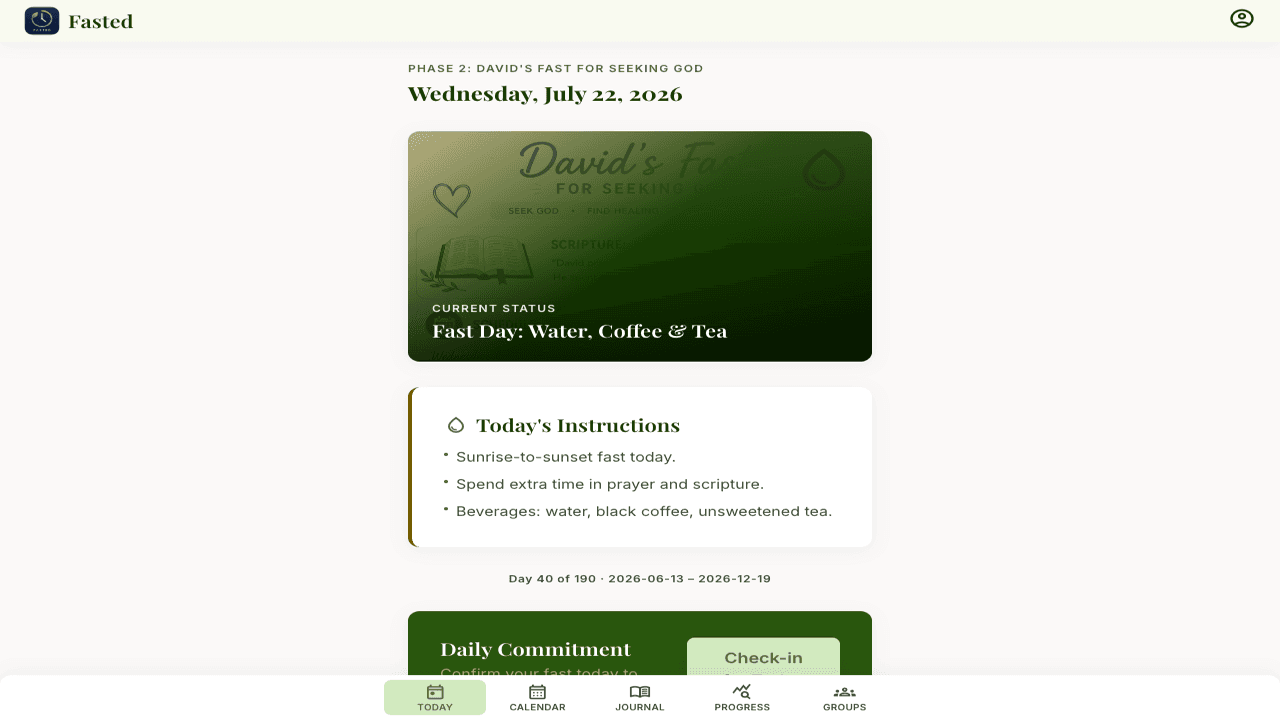
I built Fasted — an offline-first PWA that walks a June–December biblical fasting journey day by day: phase instructions, scripture, check-ins, journal, streaks, and optional group sync.

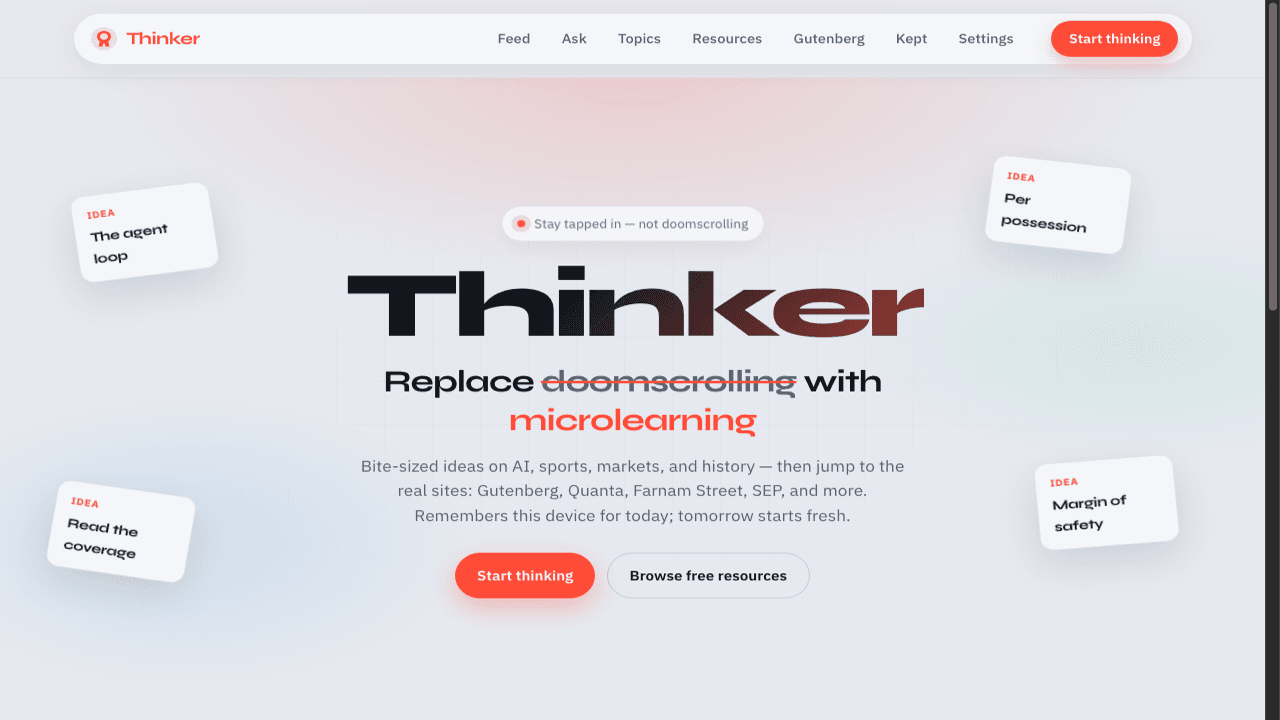
I built Thinker — a microlearning PWA that mixes bite-sized ideas, news, Gutenberg books, and free learning sites into a one-card feed. Remembers this device for today; tomorrow starts fresh.

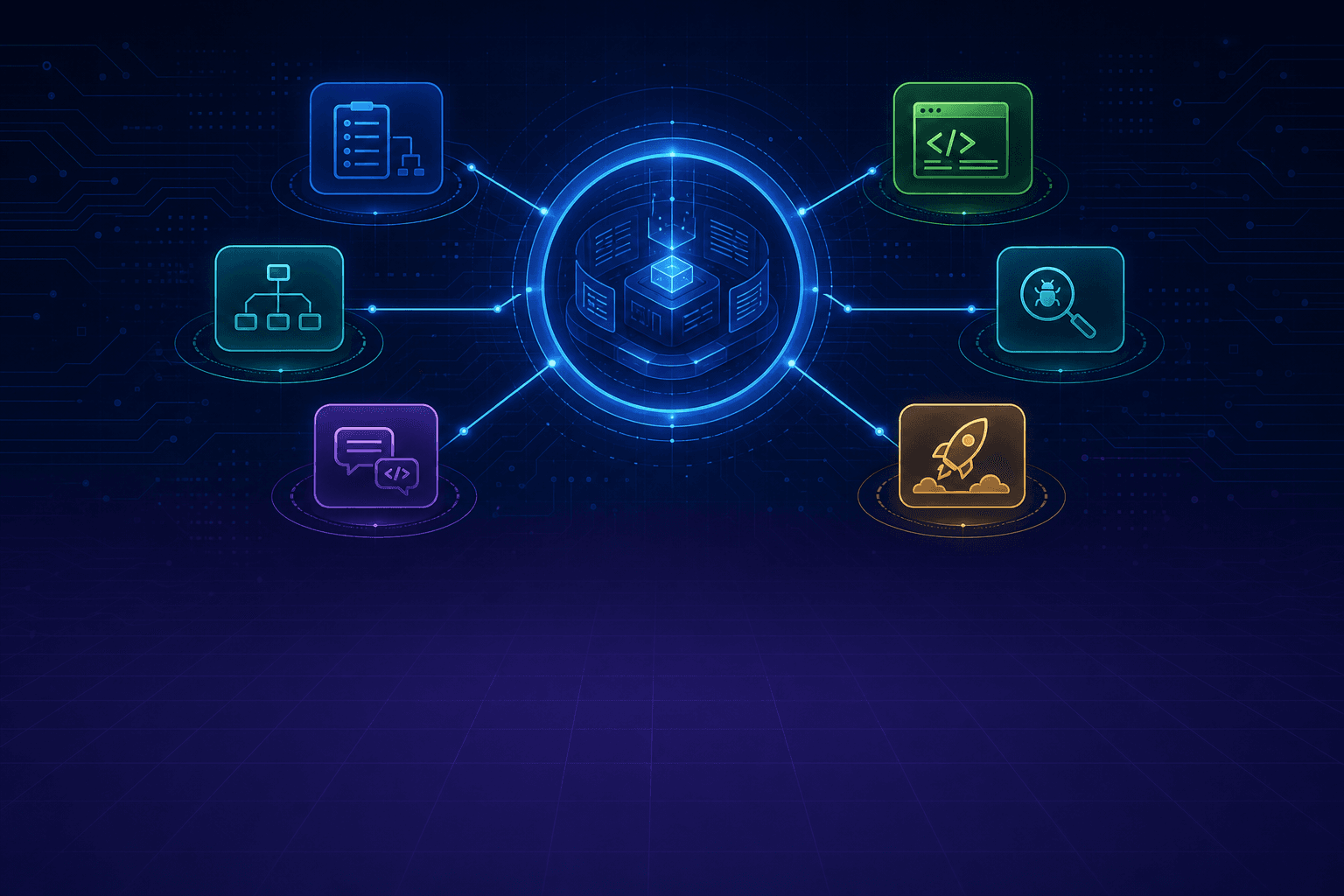
How I evolved a single coding-agent pipeline into SEOS — a Software Engineering OS with specialist agents, composed repository intelligence, hands-off automation, and a feedback loop that learns from every deploy.

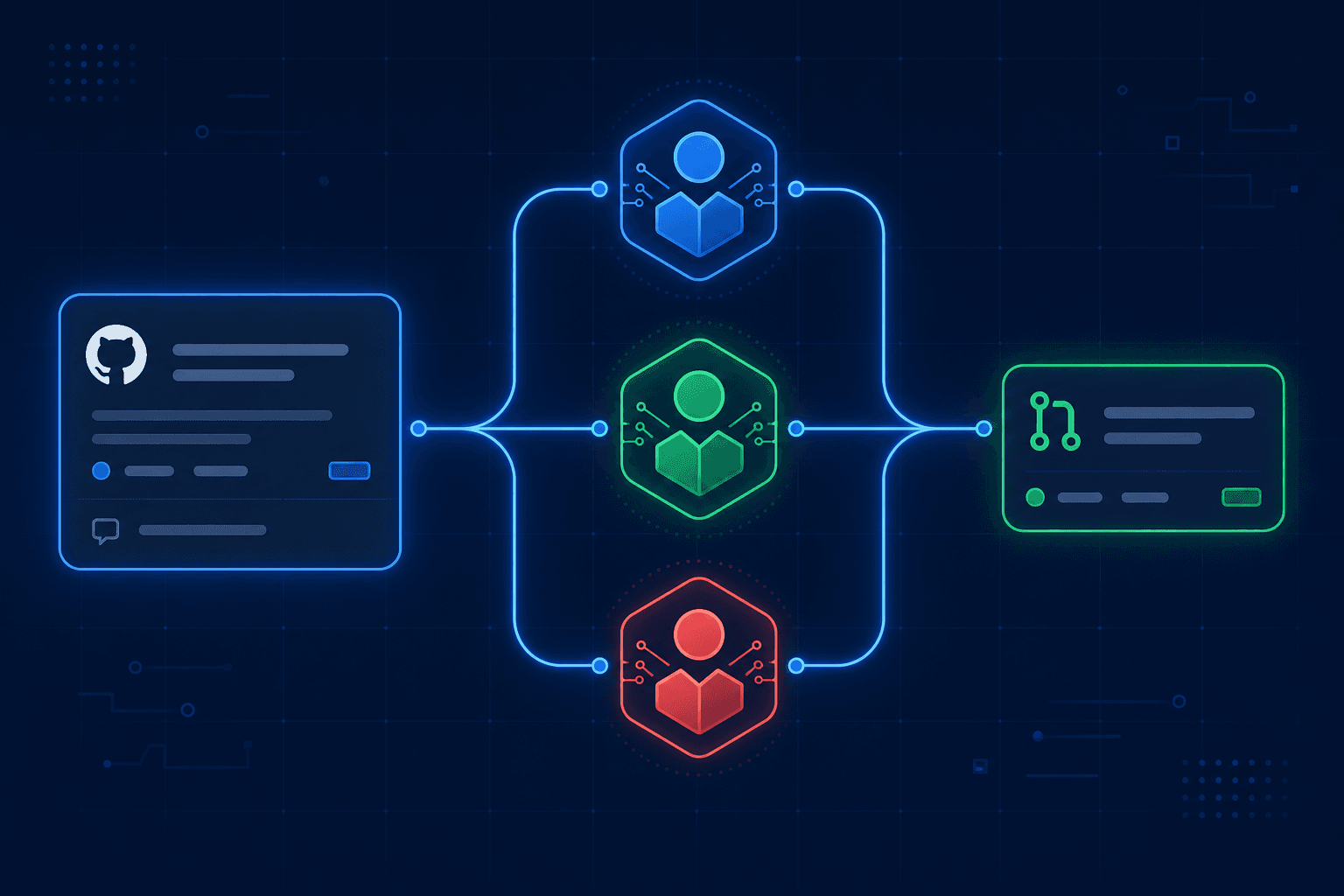
How I wired a two-stage GitHub Actions pipeline — OpenAI specs, Cursor cloud agents, and human gates — so AI engineers work in tandem on one issue at a time, with every step tracked and every change easy to roll back.

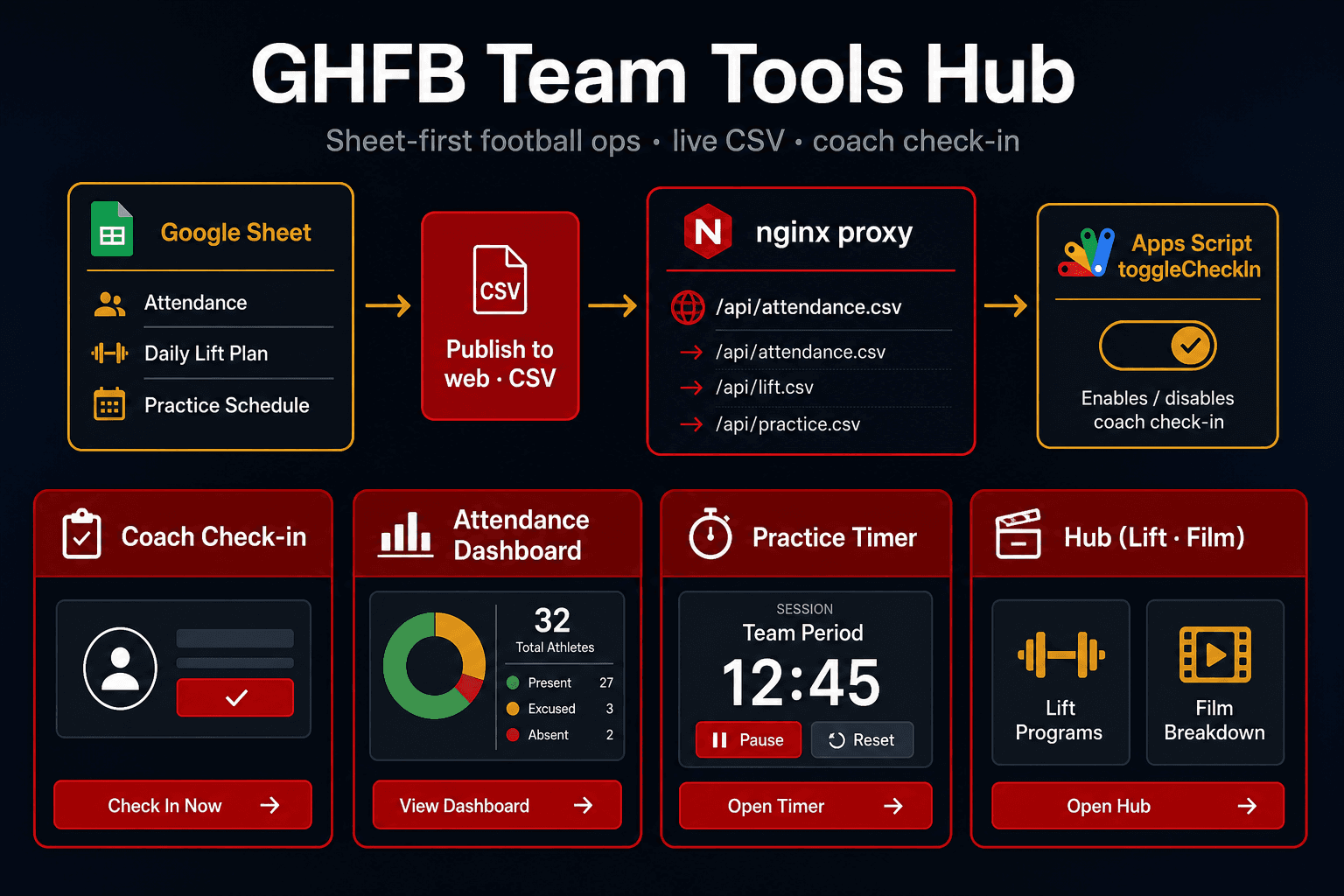
How live CSV from Google Sheets powers coach check-in, attendance dashboards, and practice timers for a high school football program — without asking coaches to leave the spreadsheet they already trust.

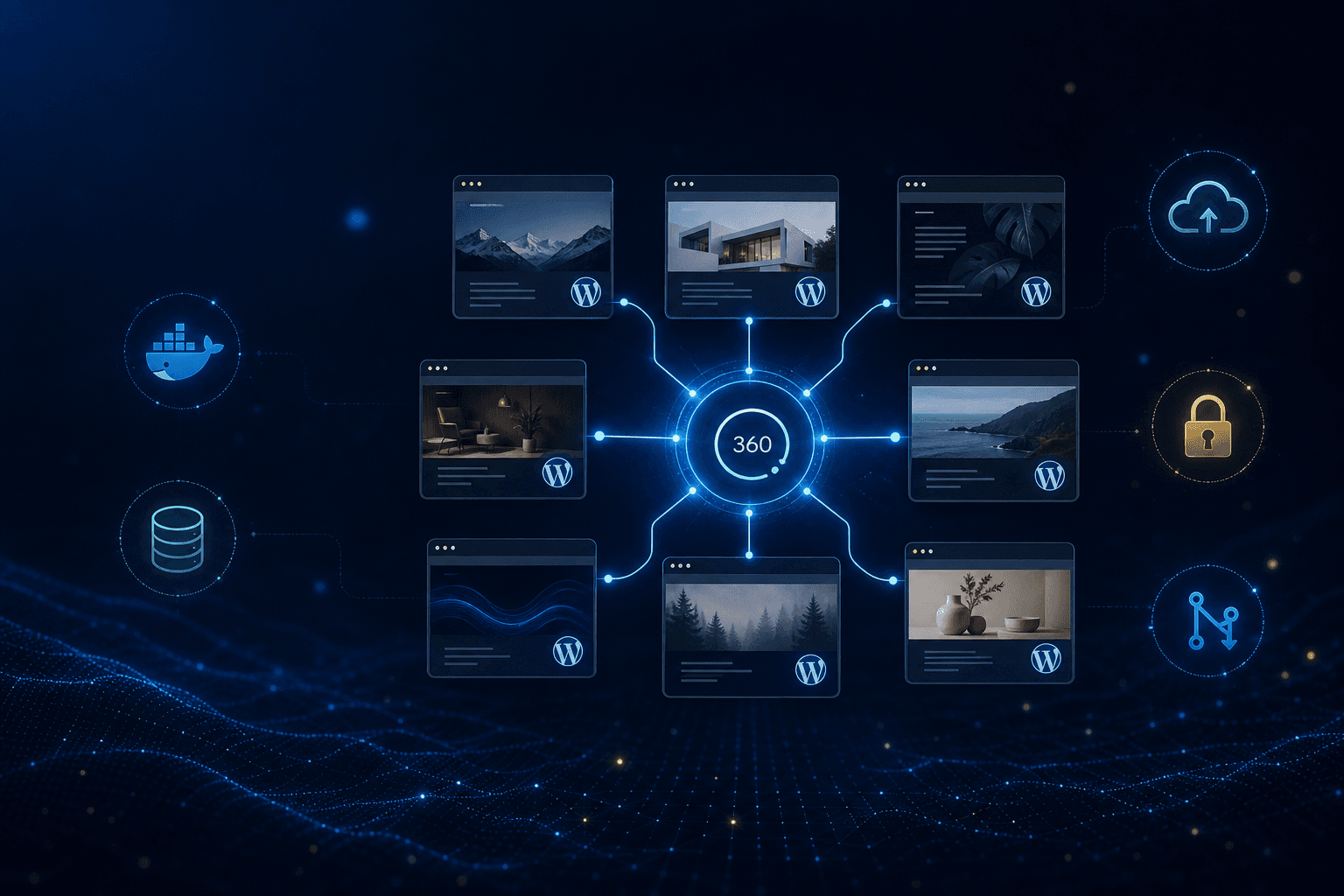
A deep dive into building a self-hosted, multi-tenant WordPress platform — isolated Docker stacks, Git-driven deploys, WP-CLI automation, and a MainWP hub managed from a single FastAPI + React control plane.

How I host the GH Film Review Pipeline website completely free using GitHub Pages and GitHub Actions—no servers, no hosting bills, just a static site published straight from CI.

A deep dive into building a complete data pipeline and static site generator for football player evaluations using Python, pandas, and automated reporting.

How a small church outreach in Winter Park became a multi-regional nonprofit rooted in faith, family, and service.

Embarking on my journey to build a multi-tenant video processing platform using AI assistance. Learn about the vision, architecture, and development philosophy.

A breakdown of how I used Google Apps Script, fetch, and IFTTT to create a cost-free, fully functional contact form.